


Black Friday is still weeks away, yet many shoppers are already comparing prices, watching promotions, and placing holiday orders. The familiar November shopping rush is becoming a longer season, and October is no longer just the warm-up.
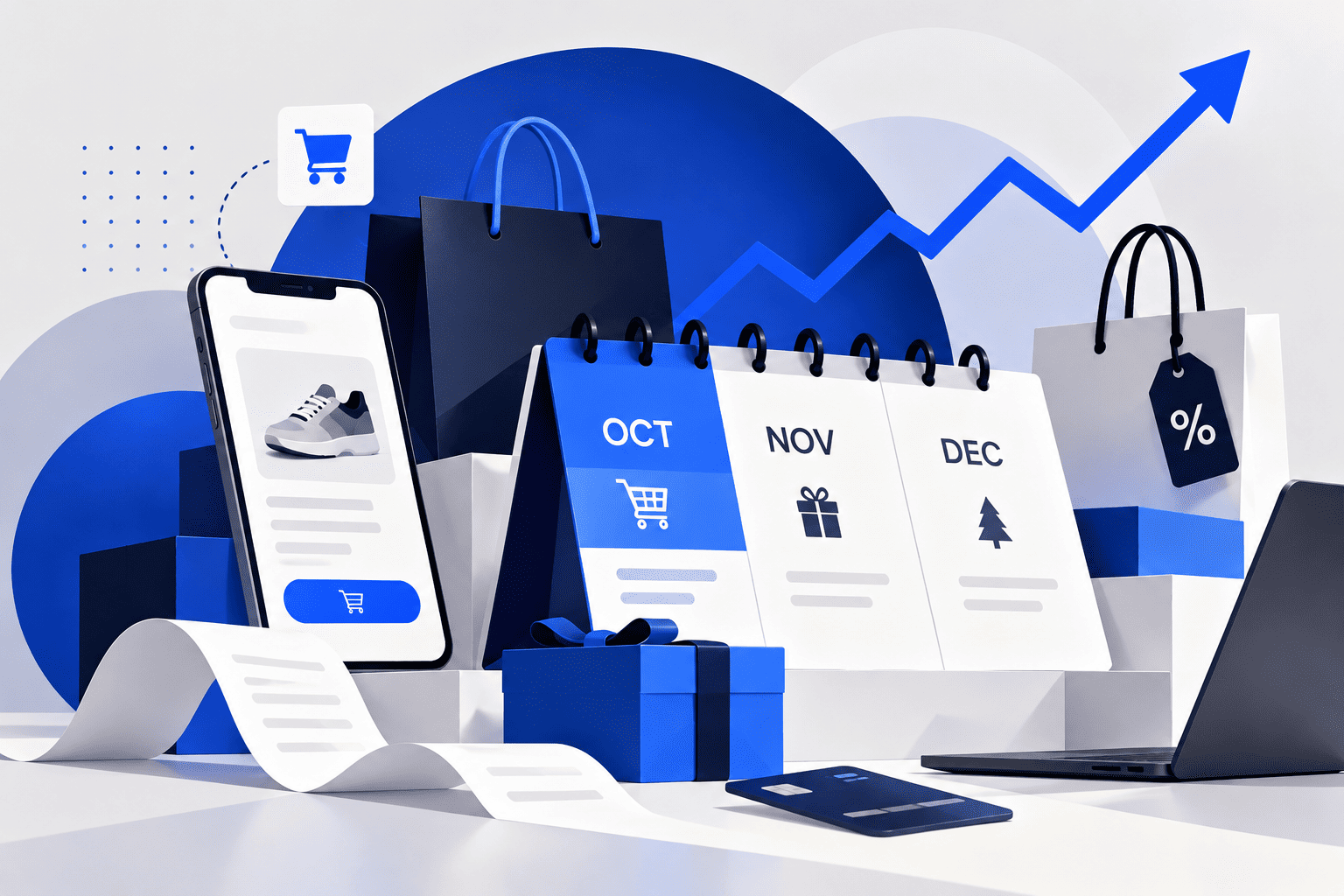
October is becoming a shopping event of its own
On September 28, Adobe forecast $275.1 billion in U.S. online sales for November and December 2026, a 6.7% year-over-year. The projection is not a final sales result, and it covers online spending rather than all retail purchases.
One of the more revealing figures sits outside the traditional holiday window: Adobe expects $95.8 billion in U.S. online spending during October, up 8% from a year earlier. Its forecast also identifies the October Prime Day promotional period as a driver of earlier shopping activity.
For retailers, the calendar is becoming less about one weekend and more about a sequence of moments when customers discover products, compare offers, and decide when to buy.
Why shoppers may move purchases forward
Buying earlier can serve different needs. A family ordering gifts, a household replacing an appliance, and a customer replenishing essentials may respond to promotions in different ways.
• More time to compare: Shoppers can watch prices across several sales periods.
• More control over spending: Purchases can be spread across multiple pay cycles.
• Better availability: Buying ahead may reduce the risk of a preferred item selling out.
• Delivery planning: Early orders leave more room for shipping and returns.
• A compelling offer: A timely discount can move an already-planned purchase into October.
These are plausible motivations, not a claim that every consumer shops earlier. The practical point is that brands need to understand when their own customers begin researching, not just when they complete checkout.
Black Friday still matters
An earlier season does not make Black Friday irrelevant. Adobe projects $12.9 billion in U.S. online spending for Black Friday 2026, up 9.2% year over. Cyber Monday, November 30, is forecast to reach $15.1 billion, remaining the largest online shopping day in the period.
The strategic challenge is timing. A business that waits until the last week of November to explain its products may arrive after customers have already shortlisted alternatives. On the other hand, running discounts for too long can weaken margins and exhaust inventory.
Four questions worth answering before the next promotion
A longer shopping season makes preparation more important, particularly for smaller businesses with limited staffing or stock.
• What is worth promoting? Choose offers that make commercial sense, rather than discounting everything.
• Can the business deliver? Check inventory, fulfillment capacity, and customer-service coverage.
• Are the terms clear? Explain eligibility, deadlines, shipping conditions, and any restrictions.
• What will be measured? Review margins, returns, and repeat purchases alongside revenue.
The answers will vary by industry. A service company, for example, may have more to gain from clear booking windows and package descriptions than from copying a retail discount calendar.
The shopping season starts before the sale
For many customers, a purchase begins with a search, a recommendation, or a comparison made days or weeks before the transaction. October’s rising activity makes those earlier interactions harder to ignore.
Black Friday can still be a major sales moment. But the businesses that prepare product information, customer support, and realistic offers in advance may be better positioned when the busiest days finally arrive.
